







Number of beneficial insects and m²


Nematodes for Thrips
-
100% natural help against thrips
-
From German breeding – delivered quickly
-
Completely chemical-free – no residues
-
Discreet, effective & biologically sustainable
-
Safe for children & pets
Number of beneficial insects and m²
In stock - with you in 2-4 business days


What our customers say
-
Efficacy
hardly any effect partially effective highly effective -
Application
complicated some effort child's play -
Delivery Quality
not vital usable fresh & active
Choose delivery option & save cleverly:


Choose options
-
100% natural help against thrips
-
From German breeding – delivered quickly
-
Completely chemical-free – no residues
-
Discreet, effective & biologically sustainable
-
Safe for children & pets
Number of beneficial insects and m²
In stock - with you in 2-4 business days
Choose delivery option & save cleverly:
-
100% natural help against thrips
-
From German breeding – delivered quickly
-
Completely chemical-free – no residues
-
Discreet, effective & biologically sustainable
-
Safe for children & pets
Number of beneficial insects and m²
In stock - with you in 2-4 business days
Choose delivery option & save cleverly:
GREEN GUARDIA nematodes against thrips larvae
Nematodes against thrips are microscopic roundworms that are watered into potting soil or substrate, where they specifically seek out the thrips larvae living in the soil. As a natural supplement in plant protection, they help interrupt the development cycle without chemical insecticides.
Silvery spots that keep coming back
Fine light speckles, silvery shiny areas, small dark spots, and deformed leaves are typical signs. Thrips feed on the leaves and significantly impair the appearance of your plants. You treat the leaves, and after a while, it starts all over again. The cause is often one level down, because new generations of thrips constantly develop from the larvae in the soil, which you cannot reach with a leaf treatment alone.
Houseplant, conservatory, or greenhouse
Thrips are among the most common pests on houseplants such as Monstera, Ficus, Calathea, or orchids. Potted and balcony plants, plants in the conservatory, and crops in the greenhouse are equally affected. It gets tricky with seedlings and young plants. It is best to isolate newly purchased plants first so that an infestation does not spread to your entire stock.
Why it pays off to water nematodes into the substrate against thrips
Instead of spraying, this is applied by watering. You dissolve the nematodes in water and evenly pour the solution onto the moist substrate or potting soil. They distribute themselves there and reach the thrips larvae in the soil. This gives the next generation of thrips fewer chances. Temperatures of 12 to 28 °C are optimal, after which you keep the soil evenly moist for at least 10–14 days. Blue sticky traps help you monitor flying thrips.
Buy nematodes against thrips online
You order according to area or number of plants, from 0.5 million nematodes for 1 m² or about five plants up to 50 million for 100 m². Because this is live goods from German breeding, you store the nematodes cool at 4–8 °C and apply them promptly. For the thrips on the leaves, we also offer predatory mites against thrips. Together, this allows you to target both the leaves and the soil.
When are nematodes the right choice?
Choose nematodes if thrips on houseplants, in the conservatory, or greenhouse keep returning despite leaf treatments and you want to stop the supply from the soil. They are the right choice for plants in pots, tubs, and substrates. They work best early, at 12–28 °C, and with evenly moist soil.
When nematodes are not the right solution
Nematodes cannot reach thrips that sit on leaves and flowers. Predatory mites, which actively hunt on the plant, are suitable for this. In the case of a heavier infestation, a repetition is advisable; a single application is rarely sufficient then. Nematodes cannot make progress in dry soil; the substrate must remain moist.
🌿 Conclusion: GREEN GUARDIA nematodes interrupt the supply of thrips right where it starts, in the substrate of houseplants, conservatories, and greenhouses. Combined with beneficial insects on the leaf, you can get a stubborn infestation under control biologically.
Cut off the supply from below. Buy nematodes against thrips now!
Thripslarven natürlich reduzieren – mit GREEN GUARDIA Nematoden
Thripse gehören zu den häufigsten Pflanzenschädlingen an Zimmerpflanzen, Zierpflanzen und im Gewächshaus. Besonders die im Boden lebenden Thripslarven tragen zur weiteren Vermehrung bei. Mit GREEN GUARDIA Nematoden gegen Thripslarven setzt du auf eine biologische und chemiefreie Lösung, um den Entwicklungszyklus der Schädlinge im Substrat gezielt zu unterbrechen.
Wie viele Nematoden benötige ich?
Wähle die passende Packungsgröße entsprechend deiner Anbaufläche oder Pflanzenanzahl. So können sich die Nematoden optimal im feuchten Substrat verteilen und die Thripslarven erreichen.
| Packung | Fläche | Pflanzen | Wasser |
|---|---|---|---|
| 0,5 Mio. | 1 m² | 5 | 1 l |
| 1 Mio. | 2 m² | 10 | 2 l |
| 2 Mio. | 4 m² | 20 | 2 l |
| 3 Mio. | 6 m² | 30 | 3 l |
| 4 Mio. | 8 m² | 40 | 4 l |
| 5 Mio. | 10 m² | 50 | 5 l |
| 6 Mio. | 12 m² | 60 | 6 l |
| 10 Mio. | 20 m² | 100 | 10 l |
| 15 Mio. | 30 m² | 150 | 15 l |
| 20 Mio. | 40 m² | 200 | 20 l |
| 25 Mio. | 50 m² | 250 | 25 l |
| 50 Mio. | 100 m² | 500 | 50 l |
Anwendung & Tipps: So nutzt du Nematoden richtig
- 1. Anmischen: Nematoden gemäß Anleitung vollständig in der empfohlenen Wassermenge auflösen.
- 2. Ausbringen: Die Lösung gleichmäßig auf das feuchte Substrat, die Blumenerde oder den Wurzelbereich gießen.
- 3. Nachsorge & Feuchtigkeit: Das Substrat vor und nach der Anwendung ausreichend feucht halten, nach der Anwendung mindestens 10–14 Tage gleichmäßig, damit die Nematoden aktiv bleiben.
- Bodentemperatur: Optimal zwischen 12–28 °C für eine aktive Verteilung im Boden.
- Wiederholung: Bei stärkerem Thripsbefall empfiehlt sich eine erneute Anwendung nach einigen Tagen.
- Keine chemischen Pflanzenschutzmittel: Auf den gleichzeitigen Einsatz ungeeigneter Pflanzenschutzmittel verzichten, um die Nützlinge nicht zu beeinträchtigen.
- Lagerung: Kühl bei 4–8 °C lagern und möglichst zeitnah nach Erhalt anwenden.
Geeignete Einsatzbereiche
- Zimmerpflanzen: Ideal für Monstera, Ficus, Calathea, Orchideen und viele weitere beliebte Grünpflanzen.
- Gewächshaus & Wintergarten: Unterstützt die natürliche Kontrolle von Thripslarven in geschützten Kulturen.
- Zier- & Kübelpflanzen: Für Balkon, Terrasse, Wintergarten und empfindliche Pflanzenbestände geeignet.
- Anzucht & Jungpflanzen: Kann bereits bei jungen Pflanzen eingesetzt werden, um den Befallsdruck frühzeitig zu reduzieren – für ein gesundes Pflanzenumfeld in frühen Wachstumsphasen.
- Topf- und Containerkulturen: Besonders wirksam in Erde und Substraten, in denen sich die Larven entwickeln.
🌱 Tipp: Da sich Thripslarven im Boden entwickeln, sollte die Anwendung möglichst früh erfolgen. Bei stärkerem Befall kann eine Wiederholung nach 1–2 Wochen sinnvoll sein.
Was tun bei Thripsen an Zimmerpflanzen, Zierpflanzen oder im Gewächshaus?
Thripse gehören zu den häufigsten Pflanzenschädlingen an Zimmerpflanzen, Kübelpflanzen und Gewächshauskulturen. Die winzigen Insekten saugen an Blättern und können das Erscheinungsbild der Pflanzen beeinträchtigen. Besonders problematisch sind die im Boden lebenden Thripslarven, aus denen sich neue Generationen entwickeln.
Typische Anzeichen für einen Thripsbefall sind silbrig glänzende Blattstellen, feine helle Sprenkelungen, verformte Blätter oder kleine dunkle Punkte auf der Blattoberfläche. Bei stärkerem Befall können Pflanzen geschwächt wirken und ihr Wachstum beeinträchtigt sein.
Wie kann ich Thripse natürlich und nachhaltig reduzieren?
- Nematoden gegen Thripslarven einsetzen: Mit GREEN GUARDIA Nematoden gegen Thripslarven können die im Substrat lebenden Entwicklungsstadien gezielt erreicht werden.
- Substrat behandeln: Die Nematoden werden mit Wasser ausgebracht und gleichmäßig auf die Erde oder das Pflanzsubstrat verteilt.
- Blautafeln verwenden: Blaue Klebetafeln helfen dabei, fliegende Thripse zu überwachen und frühzeitig zu erkennen.
- Luftfeuchtigkeit erhöhen: Thripse bevorzugen trockene Bedingungen. Eine höhere Luftfeuchtigkeit kann das Pflanzenumfeld verbessern.
- Befallene Pflanzenteile kontrollieren: Blätter regelmäßig prüfen und stark geschädigte Pflanzenteile entfernen.
- Neue Pflanzen isolieren: Neu gekaufte Pflanzen zunächst getrennt aufstellen, um eine Ausbreitung auf bestehende Pflanzenbestände zu vermeiden.
🌱 Tipp: Eine frühzeitige Anwendung von GREEN GUARDIA Nematoden gegen Thripslarven unterstützt dabei, den Entwicklungszyklus der Thripse bereits im Boden zu unterbrechen. Besonders wirksam ist die Anwendung bei den ersten Anzeichen eines Befalls.

GREEN GUARDIA vs. Other providers
What sets us apart from the others

|

|

Products for home, garden & pet-related areas |

Unclear product information |

Beneficial insects from German breeding |
Unclear origin information |

Developed for practical use |
Complicated selection |

Clear application instructions |
Few application instructions |

Freshly bottled or carefully packaged |
Longer storage or delivery times possible |

German breeding
Beneficial organisms from controlled German breeding – quality you can rely on

Expert advice
Application tips and support from our experts – targeted and effective.

Fast help
Our beneficial organisms are ready for immediate use and provide targeted help against acute infestations at home or in the garden.

Natural & safe
Safe in everyday life – use is completely risk-free for children, pets & plants.


We let our customers speak.

Natural pest control
At GREEN GUARDIA you will find the right natural solution for every pest problem – completely without chemicals.
Whether parasitic wasps against moths, predatory mites against spider mites, or nematodes against fungus gnats and slugs – our beneficial organisms help reliably in the house, garden, or greenhouse.
As a specialist in biological pest control, we stand for quality, innovation, and sustainable impact – in harmony with nature, people, and animals.

Expert advice – Personal & Practical
Our expert advisors support you with targeted application tips and years of experience in natural pest control. Whether you have questions about application, combining different beneficial organisms, or selecting the right product – we are happy to help you quickly and competently.
FAQ Nematodes
Do you have questions about our products, application, or shipping? Here you will find the most important answers at a glance. If anything remains unclear, feel free to contact us!
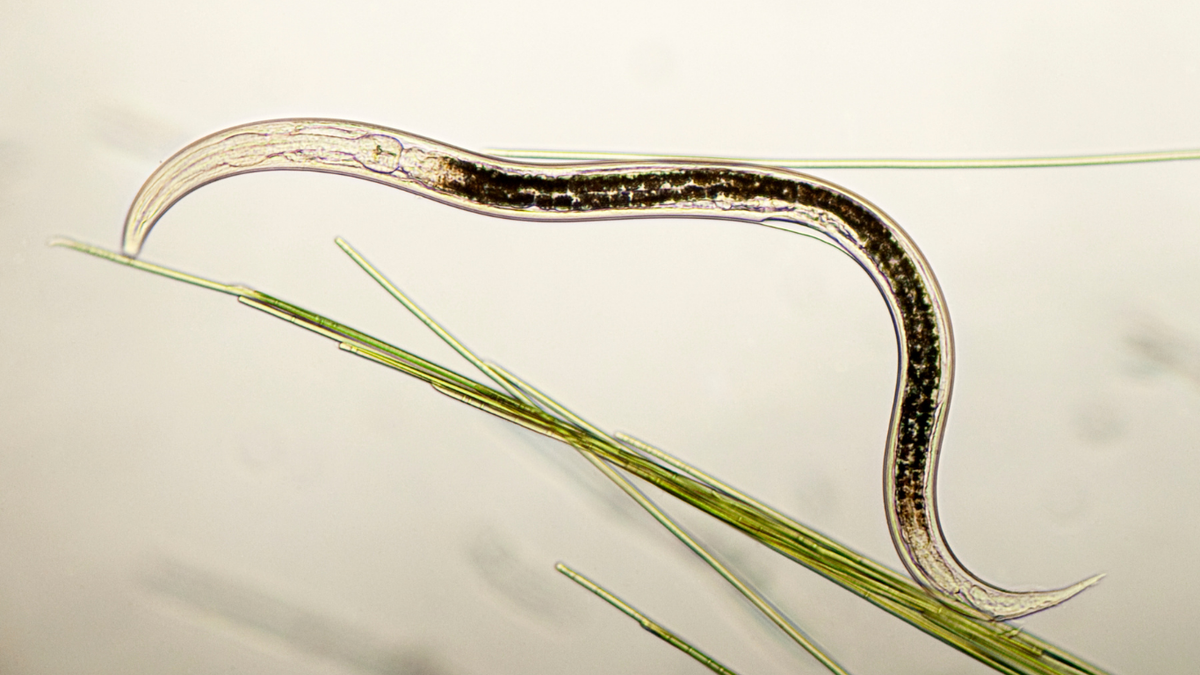
Nematodes are microscopic roundworms that specifically and biologically combat soil-dwelling pests such as fungus gnat larvae, vine weevils, or white grubs.
Depending on the species, nematodes combat fungus gnat larvae, vine weevils, white grubs, mole crickets, garden chafer larvae, ants, flea beetles, slugs, or crane fly larvae, among others.
No, nematodes are completely harmless to humans, pets, and plants. They are specialized for specific pests and do not cause any damage.
Nematodes actively penetrate the larvae of pests and release bacteria there that kill the pest. The nematodes then reproduce inside the dead larva.
As a rule, the first effects show after about 5–7 days. Complete control takes up to 3 weeks, depending on the pest and the severity of the infestation.
Yes, nematodes can be used regularly in vulnerable areas to prevent pests – especially in the case of recurring problems with fungus gnats or white grubs.
Nematodes prove to be more robust against heat than often assumed. Thanks to secure shipping packaging, our SF nematodes can withstand unchilled shipping during the summer months without any problems for up to a week. Therefore, we rely on environmentally friendly delivery without ice packs and unnecessary packaging waste.
The nematodes are delivered directly to your mailbox in an envelope. Even for orders that contain additional products, we ship our nematodes in a separate envelope. This ensures fast and safe delivery. For this reason, the nematodes unfortunately cannot be delivered to packing stations.
Yes, ideally nematodes should be applied directly upon receipt. Storage in the refrigerator at 4–8 °C is possible for a few days (see packaging).
Our nematodes are enriched with a biological substrate that sometimes changes its shape during transport and due to temperature fluctuations. As a result, it may appear mushy or clumped, but this is completely normal and fully functional.
If you add the product to water and stir well, you will notice that everything dissolves nicely and can be applied without any problems.
Live beneficial organisms are excluded from exchange. However, we are happy to help you with any issues.
Shipping Information
- Fresh shipping: Orders placed Monday through Friday by 05:00 AM are shipped fresh daily.
- Weekend orders: Orders placed after Friday 5 AM will be shipped the following Monday to guarantee the freshest beneficials.
The nematodes are mixed with water and applied to the infested areas using a watering can or spray system. The soil should be well moistened beforehand.
One application is usually sufficient. In case of heavy infestation or reoccurrence, a second application can be made after about 2 weeks.
Nematodes require soil temperatures between 12–25 °C and a uniformly moist environment – at least for several hours after application.
Nematodes are suitable for use in flower pots, garden beds, on lawns, and in greenhouses – both indoors and outdoors.
After controlling their host larvae, the nematodes gradually die off if no new pests are present.
Yes, nematodes can be combined with other beneficial organisms such as predatory mites or parasitic wasps, as long as their habitats do not overlap.
Please contact us directly with a photo of the shipment and your order number.
Yes, every shipment includes instructions on how you can download them digitally from our website.
Yes, our nematodes can also be used for pest infestations on crops such as vegetables. They are completely harmless to humans and pose no health risk even if accidentally ingested.
No, our nematodes cannot be overdosed. They control pests until no more hosts are present and then die off on their own. The exact application amounts can be found in our digital instructions.
Yes, nematodes are a recognized means of biological pest control and are suitable for organic farming.
The clay powder or gel is harmless and can simply be spread in the garden or disposed of in household waste.


