







Number of beneficial insects and m²


Nematodes against cabbage root flies
-
100% natural help against cabbage root flies
-
From German breeding – fast delivery
-
Completely chemical-free – no residues
-
Discreet, effective & biologically sustainable
-
Safe for children & pets
Number of beneficial insects and m²
In stock - with you in 2-4 business days


What our customers say
-
Efficacy
hardly any effect partially effective highly effective -
Application
complicated some effort child's play -
Delivery Quality
not vital usable fresh & active
Choose delivery option & save cleverly:


Choose options
-
100% natural help against cabbage root flies
-
From German breeding – fast delivery
-
Completely chemical-free – no residues
-
Discreet, effective & biologically sustainable
-
Safe for children & pets
Number of beneficial insects and m²
In stock - with you in 2-4 business days
Choose delivery option & save cleverly:
-
100% natural help against cabbage root flies
-
From German breeding – fast delivery
-
Completely chemical-free – no residues
-
Discreet, effective & biologically sustainable
-
Safe for children & pets
Number of beneficial insects and m²
In stock - with you in 2-4 business days
Choose delivery option & save cleverly:
GREEN GUARDIA Nematodes against cabbage root flies
Nematodes against cabbage root flies are microscopic roundworms that are watered into the root zone of cabbage plants using water, where they specifically seek out the soil-dwelling developmental stages of the cabbage root fly. In this way, they help to interrupt the biological life cycle completely without chemical insecticides.
Cabbage root fly, damage symptoms, and the cause in the soil
Typical signs of an infestation are cabbage plants that wilt despite adequate watering, suddenly stunted growth, and damage in the root area. For a long time, nothing is visible above ground because the actual culprits mostly stay in the soil. There, the larvae of the cabbage root fly develop and damage the roots. When plants are wilting, it is therefore well worth taking a look underground.
Why the small cabbage root fly particularly affects young plants
The small cabbage root fly is often behind the infestation. Cabbage root flies appear mainly in spring and summer and are particularly hard on young plants. Affected crops include kohlrabi, broccoli, cauliflower, white cabbage, red cabbage, pointed cabbage, savoy cabbage, and Brussels sprouts, in the vegetable garden just as much as in the raised bed. Home growers and hobby gardeners alike want to avoid chemicals in the soil here—after all, the cabbage ends up on the plate later.
How nematodes catch the cabbage root fly in the soil, larva by larva
It's not much effort at all. You dissolve the nematodes in water and pour the solution evenly into the root zone of the cabbage plants. In the moist soil, they disperse and reach the developmental stages of the cabbage root fly. This reduces the infestation pressure in the garden bed. A soil temperature between 12 and 28 °C is optimal; afterwards, keep the soil evenly moist for at least 10–14 days. Application is most effective at planting time and at the first signs of an infestation.
Buy nematodes against cabbage root flies online
The packages are tailored to the cultivation area, ranging from 0.5 million nematodes for 1 m² to 50 million for 100 m². As a live product from German breeding, you store them cool at 4–8 °C until application and apply them as soon as possible. Because our range is structured by target pest, you will find the exact nematodes for your cabbage patch right here.
When are nematodes the right choice?
Choose nematodes if kohlrabi, broccoli, or other brassicas in your vegetable or raised bed are wilting despite watering and you want to tackle the cause in the soil biologically. They are the right choice for hobby gardeners and home growers who cultivate without chemical insecticides. They work best early at planting time, at a soil temperature of 12–28 °C, and with evenly moist soil.
When nematodes are not the right remedy
Nematodes do not help against the flying cabbage root flies themselves; they act on the stages in the soil. The best way to slow down incoming pests on sensitive crops is by using crop protection nets. Roots that are already severely damaged will not recover through the treatment. In the long run, regularly rotating the cultivation area also reduces infestation pressure.
🌿 Conclusion: GREEN GUARDIA nematodes are a biological solution against cabbage root fly larvae in the soil of vegetable gardens and raised beds. Applied early, they protect kohlrabi, broccoli, and co. completely without chemicals.
So your kohlrabi stays crisp. Buy nematodes against cabbage root flies now!
Kohlfliegen natürlich reduzieren – mit GREEN GUARDIA Nematoden
Kohlfliegen gehören zu den häufigsten Schädlingen an Kohlgewächsen. Besonders die Larven können sich im Boden rund um die Pflanzen entwickeln und treten häufig bei Kohlrabi, Brokkoli, Blumenkohl, Weißkohl und anderen Kohlarten auf. Mit GREEN GUARDIA Nematoden gegen Kohlfliegen setzt du auf eine biologische und chemiefreie Lösung, um die im Boden lebenden Entwicklungsstadien gezielt zu erreichen.
Wie viele Nematoden benötige ich?
Wähle die passende Packungsgröße entsprechend deiner Anbaufläche. So können sich die Nematoden optimal im Boden verteilen und die Entwicklungsstadien der Kohlfliegen erreichen.
| Packung | Fläche | Pflanzen | Wasser |
|---|---|---|---|
| 0,5 Mio. | 1 m² | 5 | 1 l |
| 1 Mio. | 2 m² | 10 | 2 l |
| 2 Mio. | 4 m² | 20 | 2 l |
| 3 Mio. | 6 m² | 30 | 3 l |
| 4 Mio. | 8 m² | 40 | 4 l |
| 5 Mio. | 10 m² | 50 | 5 l |
| 6 Mio. | 12 m² | 60 | 6 l |
| 10 Mio. | 20 m² | 100 | 10 l |
| 15 Mio. | 30 m² | 150 | 15 l |
| 20 Mio. | 40 m² | 200 | 20 l |
| 25 Mio. | 50 m² | 250 | 25 l |
| 50 Mio. | 100 m² | 500 | 50 l |
Anwendung & Tipps: So nutzt du Nematoden richtig
- 1. Anmischen: Nematoden gemäß Anleitung vollständig in der empfohlenen Wassermenge auflösen.
- 2. Ausbringen: Die Lösung gleichmäßig im Wurzelbereich der Kohlpflanzen ausbringen.
- 3. Nachsorge & Feuchtigkeit: Den Boden vor und nach der Anwendung ausreichend feucht halten, nach der Anwendung mindestens 10–14 Tage gleichmäßig, damit die Nematoden aktiv bleiben.
- Bodentemperatur: Optimal zwischen 12–28 °C für eine aktive Verteilung im Boden.
- Zeitpunkt: Besonders sinnvoll während der Pflanzzeit und bei den ersten Anzeichen eines Befalls.
- Keine ungeeigneten Pflanzenschutzmittel: Auf gleichzeitig eingesetzte Mittel achten, die die Nützlinge beeinträchtigen könnten.
- Lagerung: Kühl bei 4–8 °C lagern und möglichst zeitnah nach Erhalt anwenden.
Geeignete Einsatzbereiche
- Kohlpflanzen: Ideal für Weißkohl, Rotkohl, Spitzkohl, Wirsing und weitere Kohlarten.
- Kohlrabi & Rosenkohl: Ideal für die Anwendung im Haus- und Nutzgarten sowie im Freiland.
- Brokkoli & Blumenkohl: Für beliebte Kohlgemüse im Haus- und Nutzgarten, im Freiland und Hochbeet.
- Hochbeete & Gemüsebeete: Unterstützt die natürliche Pflanzenpflege im Gemüseanbau – praktisch für Hobbygärtner und Selbstversorger.
- Ökologischer Gartenbau: Natürliche Ergänzung und Unterstützung für nachhaltige Anbaukonzepte.
🥦 Tipp: Eine frühzeitige Anwendung von GREEN GUARDIA Nematoden gegen Kohlfliegen unterstützt die natürliche Regulierung im Boden. Für optimale Bedingungen sollte die Erde nach der Anwendung ausreichend feucht gehalten werden.
Was tun bei Kohlfliegen an Kohlpflanzen?
Kohlfliegen gehören zu den häufigsten Schädlingen an Kohlgewächsen. Besonders die Larven können sich im Boden entwickeln und die Wurzeln von Kohlrabi, Brokkoli, Blumenkohl, Weißkohl und anderen Kohlarten beeinträchtigen. Ein Befall tritt häufig im Frühjahr und Sommer auf und kann junge Pflanzen besonders belasten.
Typische Anzeichen für einen Kohlfliegenbefall sind welkende Pflanzen trotz ausreichender Bewässerung, gehemmtes Wachstum sowie Schäden im Wurzelbereich. Die eigentlichen Verursacher bleiben oft lange unbemerkt, da sich die Larven überwiegend im Boden aufhalten.
Wie kann ich Kohlfliegen natürlich und nachhaltig reduzieren?
- Nematoden einsetzen: Mit GREEN GUARDIA Nematoden gegen Kohlfliegen können die im Boden lebenden Entwicklungsstadien gezielt erreicht werden.
- Frühzeitig anwenden: Besonders während der Pflanzzeit und bei ersten Anzeichen eines Befalls ist eine rechtzeitige Anwendung sinnvoll.
- Kohlpflanzen regelmäßig kontrollieren: Achte auf Wachstumsstörungen, Welkeerscheinungen und Veränderungen im Wurzelbereich.
- Kulturschutznetze verwenden: Schutznetze können helfen, den Zuflug der Kohlfliegen an empfindliche Kulturen zu reduzieren.
- Fruchtfolge beachten: Ein regelmäßiger Wechsel der Anbauflächen kann den Befallsdruck langfristig verringern.
- Gesunde Pflanzen fördern: Gute Bodenpflege und eine ausgewogene Wasserversorgung unterstützen ein kräftiges Pflanzenwachstum.
🥦 Tipp: Eine frühzeitige Anwendung von GREEN GUARDIA Nematoden gegen Kohlfliegen unterstützt die natürliche Regulierung der Schädlinge im Boden. Für optimale Bedingungen sollte die Erde nach der Anwendung gleichmäßig feucht gehalten werden.

GREEN GUARDIA vs. Other Providers
What sets us apart from the others

|

|

Products for home, garden & pet-related areas |

Unclear product information |

Beneficial insects from German breeding |
Unclear origin information |

Developed for practical use |
Complicated selection |

Clear application instructions |
Few application instructions |

Freshly bottled or carefully packaged |
Longer storage or delivery times possible |

German Breeding
Beneficial insects from controlled German breeding – quality you can rely on

Expert Advice
Application tips and support from our experts – targeted and effective.

Fast Help
Our beneficial insects are ready for immediate use and provide targeted help for acute infestations at home or in the garden.

Natural & Safe
Safe for everyday use – completely risk-free for children, pets & plants.


We let our customers speak for themselves.

Natural pest control
At GREEN GUARDIA you will find the right natural solution for every pest problem – completely without chemicals.
Whether parasitic wasps against moths, predatory mites against spider mites, or nematodes against fungus gnats and slugs – our beneficial insects provide reliable help in the house, garden, or greenhouse.
As a specialist in biological pest control, we stand for quality, innovation, and sustainable effectiveness – in harmony with nature, humans, and animals.

Expert Advice – Personal & Practical
Our expert advisors support you with targeted application tips and years of experience in natural pest control. Whether you have questions about application, combining different beneficial insects, or selecting the right product – we are here to help you quickly and competently.
FAQ Nematodes
Do you have questions about our products, their application, or shipping? Here you will find the most important answers at a glance. If anything remains unclear, please feel free to contact us!
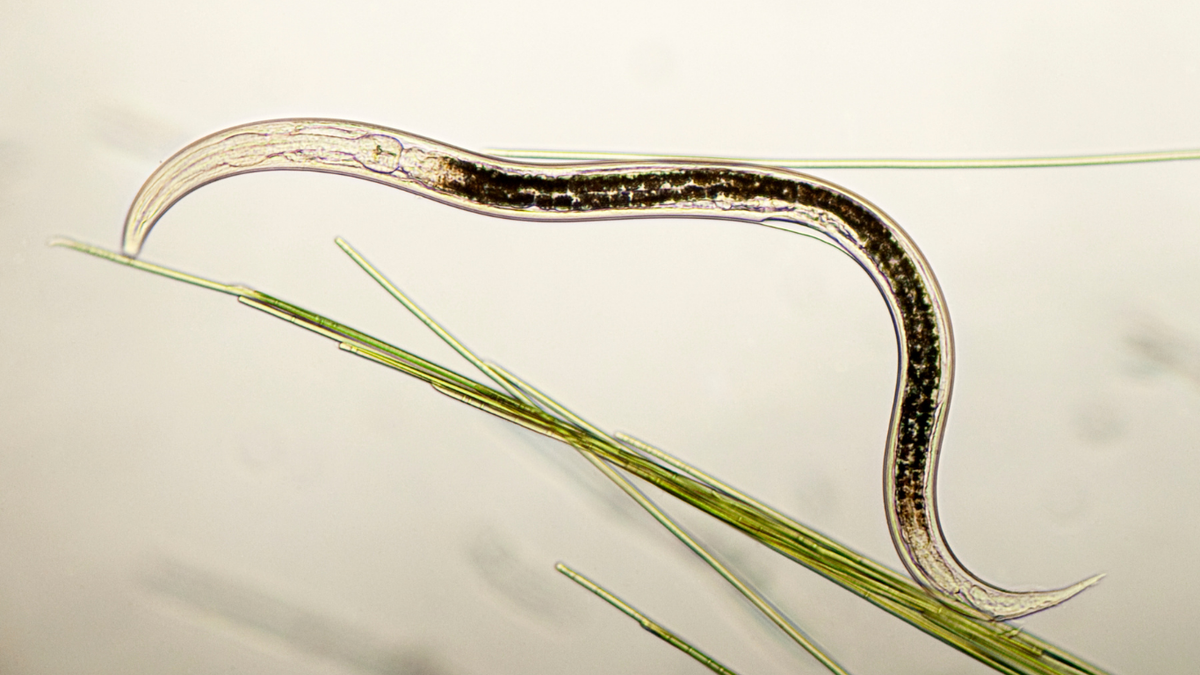
Nematodes are microscopic roundworms that biologically combat soil-dwelling pests such as fungus gnat larvae, black vine weevils, or white grubs in a targeted manner.
Depending on the species, nematodes combat fungus gnat larvae, black vine weevils, white grubs, mole crickets, garden chafer larvae, ants, flea beetles, slugs, or crane fly larvae, among others.
No, nematodes are completely harmless to humans, pets, and plants. They specialize in specific pests and cause no damage.
The nematodes actively penetrate the pest larvae and release bacteria that kill the pest. Afterwards, the nematodes reproduce inside the dead larva.
As a rule, the first effects are visible after about 5–7 days. Complete eradication takes up to 3 weeks, depending on the pest and the severity of the infestation.
Yes, nematodes can be used regularly in vulnerable areas to prevent pests – especially in cases of recurring problems with fungus gnats or white grubs.
Nematodes prove to be more robust against heat than often assumed. Thanks to the secure shipping packaging, our SF nematodes can easily survive uncooled shipping during the summer months for up to a week. Therefore, we rely on eco-friendly delivery without ice packs and unnecessary packaging waste.
The nematodes are delivered directly to your mailbox in an envelope. Even for orders containing other products, we ship our nematodes in a separate envelope. This ensures fast and safe delivery. For this reason, nematodes unfortunately cannot be delivered to packing stations (Packstation).
Yes, ideally nematodes should be applied immediately upon receipt. Storage in the refrigerator at 4–8 °C is possible for a few days (see packaging).
Our nematodes are enriched with a biological substrate that sometimes changes its shape during transport and due to temperature fluctuations. This can make it look mushy or clumped, but it is completely normal and fully functional.
When you put the product in water and stir well, you will notice that everything dissolves properly and can be applied without any problems.
Live beneficial insects are excluded from returns. However, we are happy to help you if you encounter any problems.
Shipping Information
- Fresh shipping: Orders placed from Monday to Friday by 05:00 AM are shipped fresh daily.
- Weekend orders: Orders placed after Friday 5:00 AM will be shipped the following Monday to guarantee the freshest beneficial insects.
The nematodes are mixed with water and applied to the infested areas using a watering can or spraying system. The soil should be well moistened beforehand.
One application is usually sufficient. In case of heavy infestation or reoccurrence, a second application can be made after approx. 2 weeks.
Nematodes require soil temperatures between 12–25 °C and a consistently moist environment – for at least several hours after application.
Nematodes are suitable for use in flower pots, flower beds, on lawns, and in greenhouses – both indoors and outdoors.
After combating their host larvae, the nematodes gradually die off if no new pests are present.
Yes, nematodes can be combined with other beneficial organisms such as predatory mites or parasitic wasps, as long as their habitats do not overlap.
Please contact us directly with a photo of the delivery and your order number.
Yes, every shipment includes instructions on how you can download them digitally from our website.
Yes, our nematodes can also be used for pest infestations on crops such as vegetables. They are completely harmless to humans and pose no health risk even if accidentally ingested.
No, our nematodes cannot be overdosed. They combat pests until no hosts are left and then die off by themselves. The exact application amounts can be found in our digital instructions.
Yes, nematodes are a recognized means of biological pest control and are suitable for organic farming.
The clay powder or gel is harmless and can simply be spread in the garden or disposed of in household waste.


