







Number of beneficial insects and m²


Nematodes against cherry fruit flies
-
100% natural help against thrips
-
From German breeding – delivered quickly
-
Completely chemical-free – no residues
-
Discreet, effective & ecologically sustainable
-
Safe for children & pets
Number of beneficial insects and m²
In stock - with you in 2-4 business days


What our customers say
-
Efficacy
hardly any effect partially effective highly effective -
Application
complicated some effort child's play -
Delivery Quality
not vital usable fresh & active
Choose delivery option & save cleverly:


Choose options
-
100% natural help against thrips
-
From German breeding – delivered quickly
-
Completely chemical-free – no residues
-
Discreet, effective & ecologically sustainable
-
Safe for children & pets
Number of beneficial insects and m²
In stock - with you in 2-4 business days
Choose delivery option & save cleverly:
-
100% natural help against thrips
-
From German breeding – delivered quickly
-
Completely chemical-free – no residues
-
Discreet, effective & ecologically sustainable
-
Safe for children & pets
Number of beneficial insects and m²
In stock - with you in 2-4 business days
Choose delivery option & save cleverly:
GREEN GUARDIA Nematodes against European cherry fruit flies
Nematodes against European cherry fruit flies are microscopic roundworms that are watered into the soil beneath the canopy of infested cherry trees, where they target the larval stages that continue to develop in the soil after leaving the fruit. This helps to interrupt the life cycle and reduce the infestation pressure for the next season.
Maggots in cherries and what is behind them
The cherries look good on the outside, but are soft, rot more quickly, and show a tiny puncture mark. When opened, small, light-colored larvae appear. The European cherry fruit fly is responsible for this. Its females lay their eggs in the ripening fruit, and the larvae eat their way through the flesh. Medium-late and late-ripening varieties of both sweet and sour cherries are particularly at risk.
Where the European cherry fruit fly disappears, larva by larva
Once the larvae have completed their development in the fruit, they leave the cherry and migrate into the soil under the tree. There they pupate and survive until the next season. In spring or early summer, the new flies hatch from the soil, and the cycle begins all over again. The soil beneath the tree canopy is therefore the place where you can break the cycle, in home gardens just as much as in larger orchards.
Biological control against the European cherry fruit fly after harvest
Only a few steps are needed under the cherry tree. You moisten the soil under the entire tree canopy, dissolve the nematodes in water, and distribute the solution evenly. In the moist upper layer of soil, they reach the larval stages. The best time is after harvest, when the larvae leave the cherries. It is best to apply the nematodes in the evening or on an overcast day and keep the soil evenly moist afterward. You can find the minimum and maximum temperatures on the packaging.
Buying nematodes against European cherry fruit flies and dosing them correctly
The amount needed depends on the soil area beneath the tree canopy. You can order anywhere from 2 million nematodes for 4 m² up to 50 million for 100 m², for a single tree just as much as for several cherry trees in an orchard. These beneficial organisms come freshly supplied as live products from German breeding.
When are nematodes the right choice?
Choose nematodes if you have found maggots in cherries this season and want to reduce the infestation pressure for next year. They are the right choice for sweet and sour cherries in home gardens or orchards with moist, unsealed soil beneath the canopy. They work best when applied after harvest, in the evening or on an overcast day.
When nematodes are not the right remedy
Nematodes will no longer save the cherries on the tree, as they work in the soil and not in the fruit. They cannot spread across paving, sealed surfaces, or very dry soil. Without regularly collecting fallen fruit and infested fruits, the treatment remains incomplete, as new larvae will otherwise constantly make their way into the soil. Yellow sticky traps also help to keep an eye on the adult flies.
🌿 Conclusion: GREEN GUARDIA nematodes are applied to the soil beneath cherry trees, where they reach the larval stages of the European cherry fruit fly. Combined with collecting infested fruits, you reduce the infestation pressure for the next season entirely without chemicals.
Enjoy your cherries without worry again next year. Order nematodes against European cherry fruit flies now!
Kirschfruchtfliegen gezielt reduzieren – mit GREEN GUARDIA Nematoden
Die Kirschfruchtfliege kann Süß- und Sauerkirschen befallen. Ihre Larven entwickeln sich zunächst in den Früchten und gelangen anschließend zur weiteren Entwicklung in den Boden. Mit GREEN GUARDIA Nematoden gegen Kirschfruchtfliegen wird der Boden unter den betroffenen Kirschbäumen behandelt, um dort erreichbare Larvenstadien gezielt zu erfassen und den Entwicklungszyklus zu unterbrechen.
Wie viele Nematoden benötige ich?
Wähle die passende Packungsgröße entsprechend der zu behandelnden Bodenfläche unter den Kirschbäumen. Maßgeblich ist dabei der Bereich unterhalb der Baumkrone, auf dem die Nematodenlösung gleichmäßig ausgebracht wird.
| Packung | Behandlungsfläche | Wassermenge |
|---|---|---|
| 0,5 Mio. | bis 1 m² | 1 l |
| 1 Mio. | bis 2 m² | 2 l |
| 2 Mio. | bis 4 m² | 2 l |
| 3 Mio. | bis 6 m² | 3 l |
| 4 Mio. | bis 8 m² | 4 l |
| 5 Mio. | bis 10 m² | 5 l |
| 6 Mio. | bis 12 m² | 6 l |
| 10 Mio. | bis 20 m² | 10 l |
| 15 Mio. | bis 30 m² | 15 l |
| 20 Mio. | bis 40 m² | 20 l |
| 25 Mio. | bis 50 m² | 25 l |
| 50 Mio. | bis 100 m² | 50 l |
Anwendung & Tipps: So nutzt du Nematoden richtig
- 1. Anmischen: Nematoden gemäß Gebrauchsanweisung vollständig in der empfohlenen Wassermenge auflösen.
- 2. Ausbringen: Die Lösung gleichmäßig auf dem zuvor angefeuchteten Boden unter der gesamten Baumkrone verteilen.
- 3. Nachsorge: Den behandelten Boden für den in der Gebrauchsanweisung genannten Zeitraum gleichmäßig feucht halten und ein Austrocknen vermeiden.
- Anwendungszeitpunkt: Die Behandlung erfolgt vorzugsweise nach der Ernte beziehungsweise während des Zeitraums, in dem die Larven die Kirschen verlassen.
- Bodentemperatur: Die auf der Verpackung angegebenen Mindest- und Höchsttemperaturen beachten.
- Witterung: Am besten abends oder bei bedecktem Himmel ausbringen. Direkte Sonneneinstrahlung und das Austrocknen der behandelten Fläche vermeiden.
- Lagerung: Kühl entsprechend den Angaben auf der Verpackung lagern und möglichst zeitnah nach Erhalt anwenden.
Geeignete Einsatzbereiche
- Süß- & Sauerkirschen: Zur Bodenbehandlung unter befallenen Kirschbäumen im Hausgarten und Obstbau.
- Boden unter der Baumkrone: Die Lösung wird großflächig auf den Boden im Bereich unterhalb der Äste ausgebracht – besonders geeignet sind feuchte, unversiegelte Böden, in denen sich die Nematoden verteilen können.
- Nach der Ernte: Besonders geeignet, wenn Larven die befallenen Früchte verlassen und zur weiteren Entwicklung in den Boden gelangen.
- Hausgärten, Obstgärten & Obstbestände: Für einzelne Kirschbäume und kleinere Bestände sowie für zusammenhängende Flächen mit mehreren Kirschbäumen.
- Ergänzende Maßnahmen: Fallobst und befallene Früchte sollten regelmäßig aufgesammelt und entsorgt werden.
🌱 Tipp: Sammle befallene Kirschen und Fallobst regelmäßig auf und entsorge sie. Bring die Nematoden vorzugsweise abends oder bei bedecktem Himmel aus, damit sie vor direkter Sonneneinstrahlung geschützt sind.
Die Kirschfruchtfliege – erkennen, vorbeugen und Befall reduzieren
Die Kirschfruchtfliege gehört zu den bekanntesten Schädlingen an Süß- und Sauerkirschen. Besonders gefährdet sind mittelspäte und spät reifende Sorten. Die erwachsenen Fliegen legen ihre Eier in die heranreifenden Früchte ab. Aus den Eiern entwickeln sich Larven, die im Inneren der Kirschen fressen.
Ein Befall wird häufig erst beim Öffnen der Früchte sichtbar. Befallene Kirschen können weich werden, vorzeitig faulen oder eine kleine Einstichstelle aufweisen.
So erkennen Sie einen Befall
- Larven in den Früchten: Im Inneren der Kirschen befinden sich kleine, helle Larven.
- Weiche Früchte: Befallene Kirschen verlieren häufig an Festigkeit.
- Faulstellen: Durch die Beschädigung können die Früchte schneller verderben.
- Kleine Einstichstellen: Auf der Fruchtschale können punktförmige Stellen der Eiablage sichtbar sein.
- Vorzeitiger Fruchtfall: Stark befallene Kirschen können frühzeitig vom Baum fallen.
Lebenszyklus der Kirschfruchtfliege
- Schlupf der Fliegen: Die erwachsenen Kirschfruchtfliegen schlüpfen im Frühjahr oder Frühsommer aus dem Boden.
- Eiablage: Die Weibchen legen ihre Eier in heranreifende Kirschen ab.
- Larvenentwicklung: Die Larven ernähren sich vom Fruchtfleisch und entwickeln sich im Inneren der Kirsche.
- Wanderung in den Boden: Nach Abschluss ihrer Entwicklung verlassen die Larven die Früchte und gelangen in den Boden.
- Überwinterung: Im Boden verpuppen sich die Larven und überdauern dort bis zur nächsten Saison.
Vorbeugende Maßnahmen
- Kirschen rechtzeitig ernten: Reife Früchte möglichst vollständig und zeitnah vom Baum nehmen.
- Fallobst entfernen: Heruntergefallene oder beschädigte Kirschen regelmäßig aufsammeln.
- Befallene Früchte entsorgen: Befallene Kirschen nicht auf dem Boden oder im offenen Kompost liegen lassen.
- Gelbtafeln zur Kontrolle: Gelbtafeln können dabei helfen, das Auftreten der erwachsenen Fliegen zu beobachten.
- Boden abdecken: Eine geeignete Abdeckung unter der Baumkrone kann das Eindringen der Larven in den Boden beziehungsweise das Ausschlüpfen erschweren.
- Bodenbehandlung: Geeignete Nematoden können gemäß Gebrauchsanweisung auf dem Boden unter der Baumkrone ausgebracht werden.
Wann ist eine Bodenbehandlung sinnvoll?
Eine Bodenbehandlung richtet sich gegen Entwicklungsstadien, die sich im Boden unterhalb der Baumkrone befinden. Der passende Anwendungszeitpunkt hängt vom verwendeten Produkt, der Nematodenart, der Bodentemperatur und dem Entwicklungsstadium der Kirschfruchtfliege ab.
Für eine möglichst gute Verteilung sollte der Boden ausreichend feucht, unversiegelt und frei von starker direkter Sonneneinstrahlung sein. Beachten Sie bei der Anwendung stets die Angaben auf der Verpackung und in der Gebrauchsanweisung.
🌱 Tipp: Kombinieren Sie die Bodenbehandlung mit dem regelmäßigen Entfernen befallener Früchte und des Fallobstes. Dadurch wird verhindert, dass weitere Larven in den Boden gelangen und sich dort weiterentwickeln.

GREEN GUARDIA vs. Other Providers
What sets us apart from the others

|

|

Products for home, garden & pet-related areas |

Unclear product information |

Beneficial insects from German breeding |
Unclear origin information |

Developed for practical use |
Complicated selection |

Clear application instructions |
Few application instructions |

Freshly bottled or carefully packaged |
Longer storage or delivery times possible |

German Breeding
Beneficial insects from controlled German breeding – quality you can rely on

Expert Advice
Application tips and support from our experts – targeted and effective.

Fast Help
Our beneficial insects are ready for immediate use and provide targeted help for acute infestations at home or in the garden.

Natural & Safe
Safe in everyday life – use is completely risk-free for children, pets & plants.


We let our customers speak.

Natural pest control
At GREEN GUARDIA you will find the right natural solution for every pest problem – completely without chemicals.
Whether parasitic wasps against moths, predatory mites against spider mites, or nematodes against fungus gnats and slugs – our beneficial insects provide reliable help at home, in the garden, or in the greenhouse.
As a specialist in biological pest control, we stand for quality, innovation, and a sustainable effect – in harmony with nature, people, and animals.

Expert advice – Personal & Practical
Our specialist advisors support you with targeted application tips and years of experience in natural pest control. Whether you have questions about application, combining different beneficial insects, or choosing the right product – we help you quickly and competently.
FAQ Nematodes
Do you have questions about our products, application, or shipping? Here you will find the most important answers at a glance. If anything remains unclear, feel free to contact us!
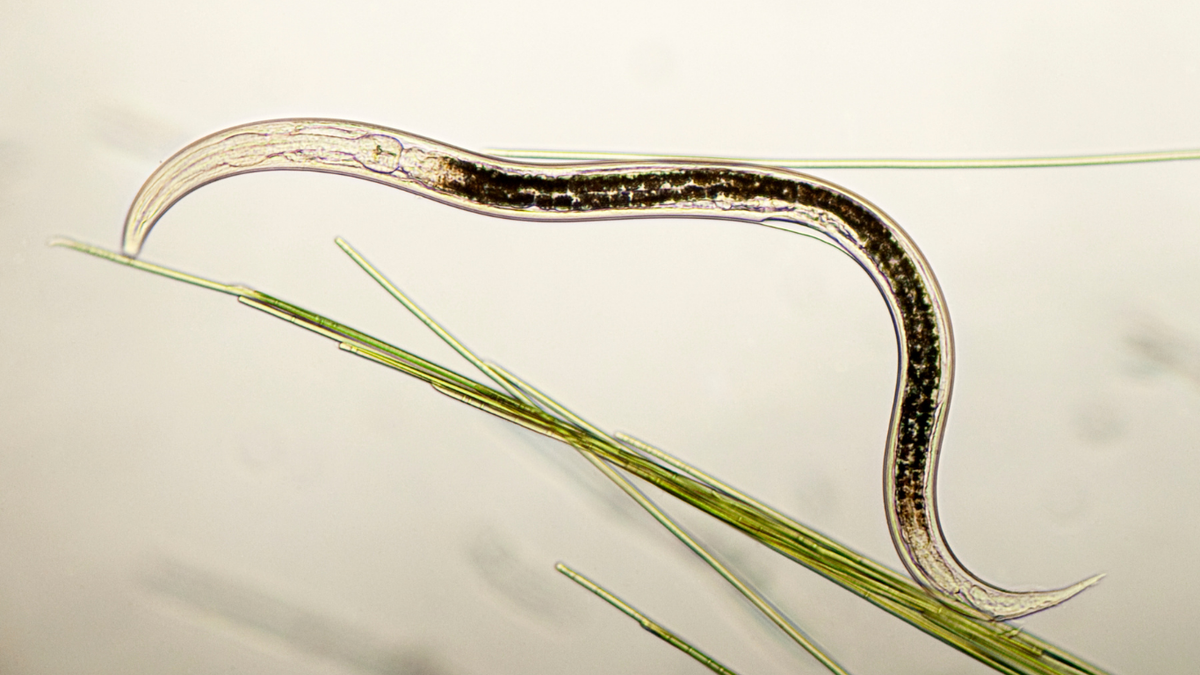
Nematodes are microscopic roundworms that biologically target and combat soil-dwelling pests such as fungus gnat larvae, vine weevils, or chafers.
Depending on the species, nematodes combat fungus gnat larvae, black vine weevils, white grubs, mole crickets, garden chafer larvae, ants, flea beetles, slugs and snails, or crane fly larvae, among others.
No, nematodes are completely harmless to humans, pets, and plants. They are specialized for specific pests and cause no damage.
The nematodes actively penetrate the larvae of the pests and release bacteria there that kill the pest. The nematodes then multiply inside the dead larva.
As a rule, the first effects appear after about 5–7 days. Complete eradication takes up to 3 weeks, depending on the pest and the severity of the infestation.
Yes, nematodes can be used regularly in vulnerable areas to prevent pests – especially when dealing with recurring problems with fungus gnats or grubs.
Nematodes prove to be more resistant to heat than often assumed. Thanks to the secure shipping packaging, our SF nematodes can easily survive unfrigerated shipping in the summer months for up to a week without any problems. That is why we rely on eco-friendly delivery without ice packs and unnecessary packaging waste.
The nematodes are delivered directly to your mailbox in an envelope. Even for orders that contain additional products, we ship our nematodes in a separate envelope. This ensures fast and safe delivery. For this reason, nematodes unfortunately cannot be delivered to packing stations (Packstationen).
Yes, ideally nematodes should be applied immediately upon receipt. Storage in the refrigerator at 4–8 °C is possible for a few days (see packaging).
Our nematodes are enriched with a biological substrate that sometimes changes its shape during transport and due to temperature fluctuations. As a result, it may appear mushy or lumpy, but this is completely normal and fully functional.
When you add the product to water and stir well, you will notice that everything dissolves easily and can be applied without any problems.
Live beneficial insects are excluded from exchange. However, we are happy to help you with any problems.
Shipping Information
- Fresh Shipping: Orders placed Monday through Friday by 05:00 AM are shipped fresh daily.
- Weekend Orders: Orders placed after Friday 5 AM will be shipped the following Monday to guarantee the freshest beneficial insects.
The nematodes are mixed with water and applied to the infested areas using a watering can or spray system. The soil should be thoroughly moistened beforehand.
One application is usually sufficient. In case of severe infestation or re-appearance, a second application can be carried out after approx. 2 weeks.
Nematodes require soil temperatures between 12–25 °C and a consistently moist environment – for at least several hours after application.
Nematodes are suitable for use in flower pots, flower beds, on lawns and in greenhouses – both indoors and outdoors.
After combating their host larvae, the nematodes slowly die off once no more pests are present.
Yes, nematodes can be combined with other beneficial insects such as predatory mites or parasitic wasps, as long as their habitats do not overlap.
Please contact us directly with a photo of the delivery and your order number.
Yes, instructions on how to download it digitally from our website are included with every shipment.
Yes, our nematodes can also be used for pest infestations on crops such as vegetables. They are completely harmless to humans and pose no health risk, even if accidentally ingested.
No, our nematodes cannot be overdosed. They combat pests until no hosts are left and then die off on their own. The exact application amounts can be found in our digital instructions.
Yes, nematodes are a recognized method of biological pest control and are suitable for organic farming.
The clay powder or gel is harmless and can simply be spread in the garden or disposed of in household waste.


