







Number of beneficial insects and m²


Nematodes against ermine moths
-
100% natural help against ermine moths
-
From German breeding – fast delivery
-
Completely chemical-free – no residues
-
Discreet, effective & ecologically sustainable
-
Safe for children & pets
Number of beneficial insects and m²
In stock - with you in 2-4 business days


What our customers say
-
Efficacy
hardly any effect partially effective highly effective -
Application
complicated some effort child's play -
Delivery Quality
not vital usable fresh & active
Choose delivery option & save cleverly:


Choose options
-
100% natural help against ermine moths
-
From German breeding – fast delivery
-
Completely chemical-free – no residues
-
Discreet, effective & ecologically sustainable
-
Safe for children & pets
Number of beneficial insects and m²
In stock - with you in 2-4 business days
Choose delivery option & save cleverly:
-
100% natural help against ermine moths
-
From German breeding – fast delivery
-
Completely chemical-free – no residues
-
Discreet, effective & ecologically sustainable
-
Safe for children & pets
Number of beneficial insects and m²
In stock - with you in 2-4 business days
Choose delivery option & save cleverly:
Nematodes against ermine moths
Nematodes against ermine moths are microscopic roundworms that are sprayed with water onto infested woody plants and webs, specifically seeking out the caterpillars and naturally interrupting their further development. They are a biological alternative to chemical insecticides for fruit trees, hedges, and ornamental shrubs.
When the ermine moth weaves nest after nest into the hedge
In spring, the hedge suddenly looks like it's decorated for Halloween. White, silky webs envelop branches and leaves, and they are teeming with caterpillars. Protected within their web, they feed leaf by leaf until only bare branches are left on some shrubs. This defoliation noticeably weakens the plants. The damage pattern is striking, and that is precisely why it pays to take an early look.
Where the ermine moth targets apple trees, hedges, and ornamental shrubs
Ermine moths infest woody plants such as bird cherry, spindle tree, and apple, as well as plum, cherry, and other fruit trees, ornamental shrubs, and hedges. In home gardens, it often affects fruit trees or garden hedges, while in parks and green spaces it hits entire rows of trees. The caterpillars appear in large numbers, especially in spring and early summer. You can prune out small webs early on; for larger infestations, you need a solution that reaches deep into the webs.
How nematodes catch the ermine moth caterpillar by caterpillar
Application is quickly explained. You dissolve the nematodes in water and spray the solution evenly onto the infested plants and webs. The nematodes specifically seek out the caterpillars and naturally interrupt their further development. This works best during early caterpillar stages, starting from around 12 °C and in the evening hours or during humid weather. Keep the plants as moist as possible afterwards and protect them from direct sunlight.
Buy nematodes against ermine moths online
Packages ranging from 5 million nematodes for 10 m² to 250 million for 500 m² are available. This means the quantity suits a single apple tree just as well as a long hedge. The nematodes are delivered from German breeding as live goods, with dedicated shipping instructions for hot and cold days.
When are nematodes the right choice?
Choose nematodes if fruit trees, hedges, or ornamental shrubs are covered in white webs in spring and you want to take action without chemical insecticides. They are the right choice as long as the caterpillars are still young and you can easily reach the webs with the sprayer. They work best at temperatures from around 12 °C, in the evening, or during humid weather.
When nematodes are not the right remedy
If a shrub has already been completely defoliated, nematodes will not bring the leaves back; they target the caterpillars that are still feeding. They reach their limits with older caterpillars, as young stages are the easiest to manage biologically. You should also prune out small webs and dispose of them. Direct sunlight and dryness after spraying are harmful to the nematodes.
🌱 Conclusion: GREEN GUARDIA nematodes are a biological solution against ermine moth caterpillars on fruit trees, hedges, and ornamental shrubs. Sprayed onto the webs early in the year, they support natural regulation completely without chemical insecticides.
Put an end to the Halloween hedge. Buy nematodes against ermine moths now!
Gespinstmotten natürlich reduzieren – mit GREEN GUARDIA Nematoden
Gespinstmotten-Raupen können Obstbäume, Ziergehölze und Sträucher innerhalb kurzer Zeit mit dichten Gespinsten überziehen und starke Fraßschäden verursachen. GREEN GUARDIA Nematoden sind mikroskopisch kleine Nützlinge, die mit Wasser ausgebracht werden, die Raupen gezielt aufsuchen und deren weitere Entwicklung auf natürliche Weise unterbrechen – biologisch und ohne chemische Insektizide.
Die Nematoden werden einfach mit Wasser auf die befallenen Pflanzen ausgebracht. Dort entfalten sie ihre natürliche Wirkung und eignen sich besonders für den biologischen Pflanzenschutz an Obstbäumen, Sträuchern und Ziergehölzen.
Wie viele Nematoden benötige ich?
Wähle die passende Packungsgröße für deine Behandlungsfläche und mische sie mit der empfohlenen Wassermenge:
Anwendung & Tipps: So nutzt du Nematoden richtig
- 1. Anmischen: Nematoden gemäß Anleitung vollständig in der empfohlenen Wassermenge auflösen.
- 2. Ausbringen: Die Lösung gleichmäßig auf befallene Pflanzen und Gespinste sprühen.
- 3. Nachsorge: Die Anwendung möglichst in den Abendstunden oder bei feuchter Witterung durchführen, damit die Nematoden optimale Bedingungen vorfinden.
- Temperatur: Anwendung bei geeigneten Witterungsbedingungen und möglichst ab etwa 12 °C durchführen.
- Feuchtigkeit: Die behandelten Pflanzen möglichst feucht halten und direkte Sonneneinstrahlung nach der Anwendung vermeiden.
- Zeitpunkt: Für optimale Ergebnisse frühzeitig bei jungen Raupenstadien sowie bevorzugt in den Abendstunden anwenden.
- Keine ungeeigneten Pflanzenschutzmittel: Auf gleichzeitig eingesetzte Mittel achten, die die Nützlinge beeinträchtigen könnten.
Geeignete Einsatzbereiche
- Obstbäume: Zur biologischen Anwendung bei Gespinstmotten an Apfel-, Pflaumen-, Kirsch- und weiteren Obstbäumen.
- Ziergehölze, Hecken & Gartengehölze: Geeignet für Sträucher, Hecken und Gehölze mit Gespinstmottenbefall – unterstützt die natürliche Regulierung der Raupen.
- Hausgärten: Ideal für private Gärten mit befallenen Gehölzen.
- Parks & Grünanlagen: Ideal für öffentliche und private Grünflächen – unterstützt nachhaltige Pflegekonzepte.
- Ökologischer Gartenbau & Pflanzenschutz: Biologische, natürliche Alternative ohne chemische Insektizide für Gärten und naturnahe Anlagen.
🌿 Tipp: Die Anwendung erfolgt idealerweise frühzeitig bei jungen Raupenstadien sowie bei feuchter Witterung oder in den Abendstunden. So finden die Nematoden optimale Bedingungen für ihre natürliche Aktivität.
Was ist die Gespinstmotte?
Gespinstmotten sind Schmetterlinge, deren Raupen Gehölze wie Traubenkirsche, Pfaffenhütchen, Apfel oder andere Sträucher und Bäume befallen. Charakteristisch sind die dichten weißen Gespinste, in denen die Raupen geschützt leben und Blätter fressen. Ein starker Befall kann zu Kahlfraß und geschwächten Pflanzen führen.
- Gespinste: Weiße, seidige Gespinste umhüllen Zweige und Blätter und sind ein typisches Erkennungsmerkmal.
- Raupenfraß: Die Raupen fressen Blätter und können Gehölze zeitweise vollständig entlauben.
- Befall im Frühjahr: Besonders im Frühjahr und Frühsommer treten die Raupen in größerer Zahl auf.
Wie beuge ich einem Befall vor?
- Pflanzen regelmäßig kontrollieren: Gespinste und junge Raupen frühzeitig erkennen.
- Befallene Triebe entfernen: Kleine Gespinste möglichst früh ausschneiden und entsorgen.
- Nützlinge fördern: Vögel und andere natürliche Gegenspieler unterstützen die natürliche Regulierung.
- Frühzeitig behandeln: Junge Raupenstadien lassen sich biologisch besonders gut erfassen.
- GREEN GUARDIA Nematoden einsetzen: Die mikroskopisch kleinen Nützlinge werden mit Wasser ausgebracht, suchen die Raupen gezielt auf und unterstützen deren natürliche Regulierung – ohne chemische Insektizide.
🌿 Tipp: Die Anwendung erfolgt idealerweise im frühen Raupenstadium sowie bei feuchter Witterung oder in den Abendstunden. So finden die Nematoden optimale Bedingungen für ihre natürliche Aktivität.

GREEN GUARDIA vs. Other providers
What sets us apart from the rest

|

|

Products for home, garden & pet-related areas |

Unclear product information |

Beneficial insects from German breeding |
Unclear origin information |

Developed for practical use |
Complicated selection |

Clear application instructions |
Few application instructions |

Freshly bottled or carefully packaged |
Longer storage or delivery times possible |

German breeding
Beneficial insects from controlled German breeding – quality you can rely on

Expert advice
Application tips and support from our experts – targeted and effective.

Fast help
Our beneficial insects are ready for immediate use and provide targeted help for acute infestations at home or in the garden.

Natural & safe
Safe for everyday use – completely risk-free for children, pets & plants.


Let our customers speak for themselves.

Natural pest control
At GREEN GUARDIA you will find the right natural solution for every pest problem – completely without chemicals.
Whether parasitic wasps against moths, predatory mites against spider mites, or nematodes against fungus gnats and slugs – our beneficial insects provide reliable help in your home, garden, or greenhouse.
As specialists in biological pest control, we stand for quality, innovation, and a sustainable impact – in harmony with nature, humans, and animals.

Expert advice – Personal & Practical
Our specialist advisors support you with targeted application tips and years of experience in natural pest control. Whether you have questions about application, combining different beneficial insects, or selecting the right product – we are here to help you quickly and competently.
FAQ Nematodes
Do you have questions about our products, their application, or shipping? Here you will find the most important answers at a glance. If anything remains unclear, please feel free to contact us!
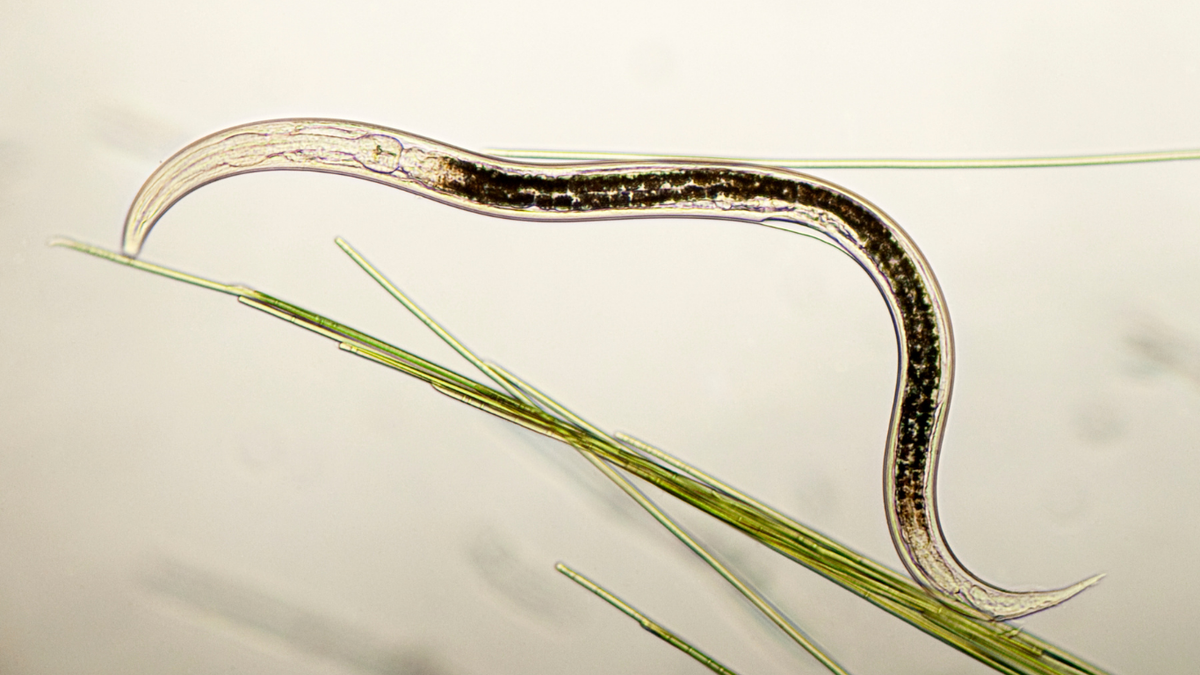
Nematodes are microscopic roundworms that biologically target and control soil-dwelling pests such as fungus gnat larvae, vine weevils, or chafers.
Depending on the species, nematodes combat fungus gnat larvae, vine weevils, chafers, mole crickets, garden chafer larvae, ants, flea beetles, slugs, and crane flies, among others.
No, nematodes are completely harmless to humans, pets, and plants. They are specialized in specific pests and cause no damage.
The nematodes actively penetrate the pest larvae and release bacteria there that kill the pest. The nematodes then reproduce inside the dead larva.
As a rule, the first effects appear after about 5–7 days. Complete control takes up to 3 weeks, depending on the pest and the severity of the infestation.
Yes, nematodes can be used regularly in vulnerable areas to prevent pests – especially in cases of recurring problems with fungus gnats or chafers.
Nematodes are proving to be more robust against heat than often assumed. Thanks to the secure shipping packaging, our SF nematodes can withstand uncooled shipping during the summer months without any problems for up to a week. Therefore, we rely on an eco-friendly delivery without ice packs and unnecessary packaging waste.
The nematodes are delivered directly to your mailbox in an envelope. Even for orders containing other products, we ship our nematodes in a separate envelope. This ensures fast and secure delivery. For this reason, nematodes unfortunately cannot be delivered to packing stations.
Yes, ideally nematodes should be applied immediately upon receipt. Storage in the refrigerator at 4–8 °C is possible for a few days (see packaging).
Our nematodes are enriched with a biological substrate that sometimes changes its shape during transport and due to temperature fluctuations. This can make them feel mushy or clumpy, but they are completely normal and fully functional.
When you add the product to water and stir well, you will notice that everything dissolves completely and is easy to apply.
Live beneficial insects are excluded from returns. However, we are happy to help you if you encounter any problems.
Shipping Information
- Fresh shipping: Orders placed from Monday to Thursday are freshly shipped daily.
- Weekend orders: Orders placed after Thursday 9 AM will be shipped the following Monday to guarantee the freshest beneficial organisms.
The nematodes are mixed with water and applied to the affected areas using a watering can or spray system. The soil should be well moistened beforehand.
One application is usually sufficient. In case of a severe infestation or reoccurrence, a second application can be done after about 2 weeks.
Nematodes require soil temperatures between 12–25 °C and a consistently moist environment – at least for several hours after application.
Nematodes are suitable for use in flower pots, garden beds, on lawns, and in greenhouses – both indoors and outdoors.
After they have combated their host larvae, the nematodes slowly die off once there are no more pests present.
Yes, nematodes can be combined with other beneficial organisms such as predatory mites or parasitic wasps, as long as their habitats do not overlap.
Please contact us directly with a photo of the delivery and your order number.
Yes, every shipment includes instructions on how you can download them digitally from our website.
Yes, our nematodes can also be used for pest infestations on crops such as vegetables. They are completely harmless to humans and pose no health risk even if accidentally ingested.
No, our nematodes cannot be overdosed. They combat pests until no hosts are left, and then die off by themselves. The exact application amounts can be found in our digital instructions.
Yes, nematodes are a recognized means of biological pest control and are suitable for organic farming.
The clay powder or gel is harmless and can simply be spread in the garden or disposed of in household waste.


